 A Letter Worth Reading
Plan · 3 min read
What is your newsletter for?
Before you write a word, decide the one job your newsletter does, who it is for, and what each reader gets for their time.
Every good newsletter starts with a plain answer to a plain question: what is it for?
The short version
- Give your newsletter one main job. Decide it before you write.
- Know who it is for. Write to that one kind of reader.
- Give readers something worth their time in every issue.
- Only then decide how often to send.
An old idea that still works
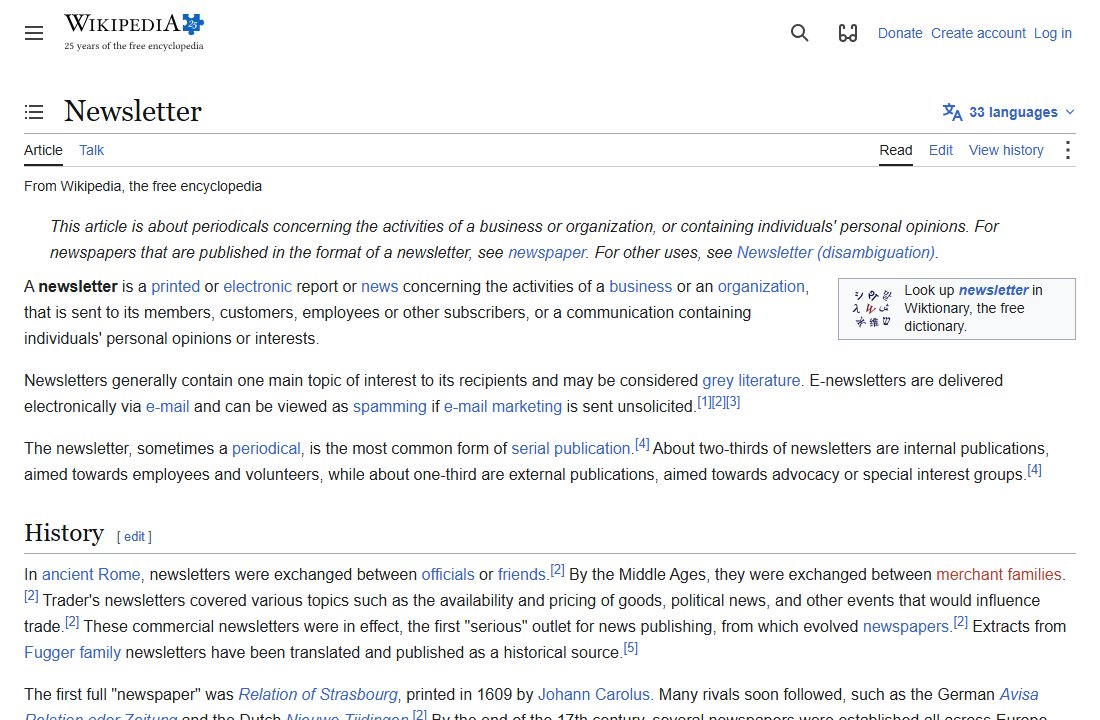
Newsletters are far older than email. In the Middle Ages, merchant families sent them to each other.[1] They shared what goods were about, what things cost, and news that could sway trade.[1]
We like that picture. Those letters were read because they were useful. That is still the test today.
A newsletter is news about a business or group. It goes to its members, customers or other subscribers.[1] Most stick to one main topic that the readers care about.[1]
Pick one main job
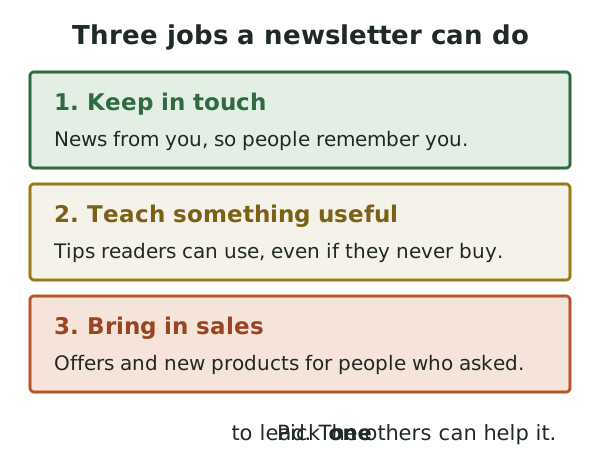
Email can do a lot for a business. It can keep customers close and bring them back. It can win new ones, or ask for a sale today.[2]
One small newsletter can't do all of that well. So we suggest you pick one job to lead. The other jobs can help, but they don't steer.
Take a small garden shop as an example.
- Keep in touch. Each issue shares shop news, new stock and changes to opening hours.
- Teach. Each issue explains one job for the garden this month.
- Sell. Each issue leads with an offer.
Any of these can work. The trouble starts when every issue does something different. Readers can't tell what they signed up for.
Here is a quick test. Finish this line: "Our newsletter helps [who] to [do what]". For the garden shop, it might be "Our newsletter helps home gardeners grow food in small spaces".
Who it is for
Write for one kind of reader, not for everyone. Picture a real customer you know. Write as if they are the only one reading.
This matters more than it seems. Mail that isn't aimed at anyone in particular can annoy people. Some will unsubscribe, and some will think less of you.[2]
So the garden shop should not write for "people who like plants". It should write for, say, renters with a balcony. Now every tip has a clear target.
What readers get in return
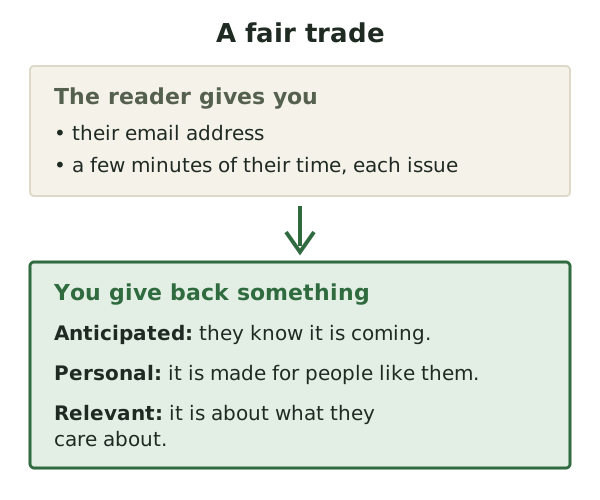
Every subscriber makes a trade. They give you their email address and a few minutes of their time. You owe them something back.
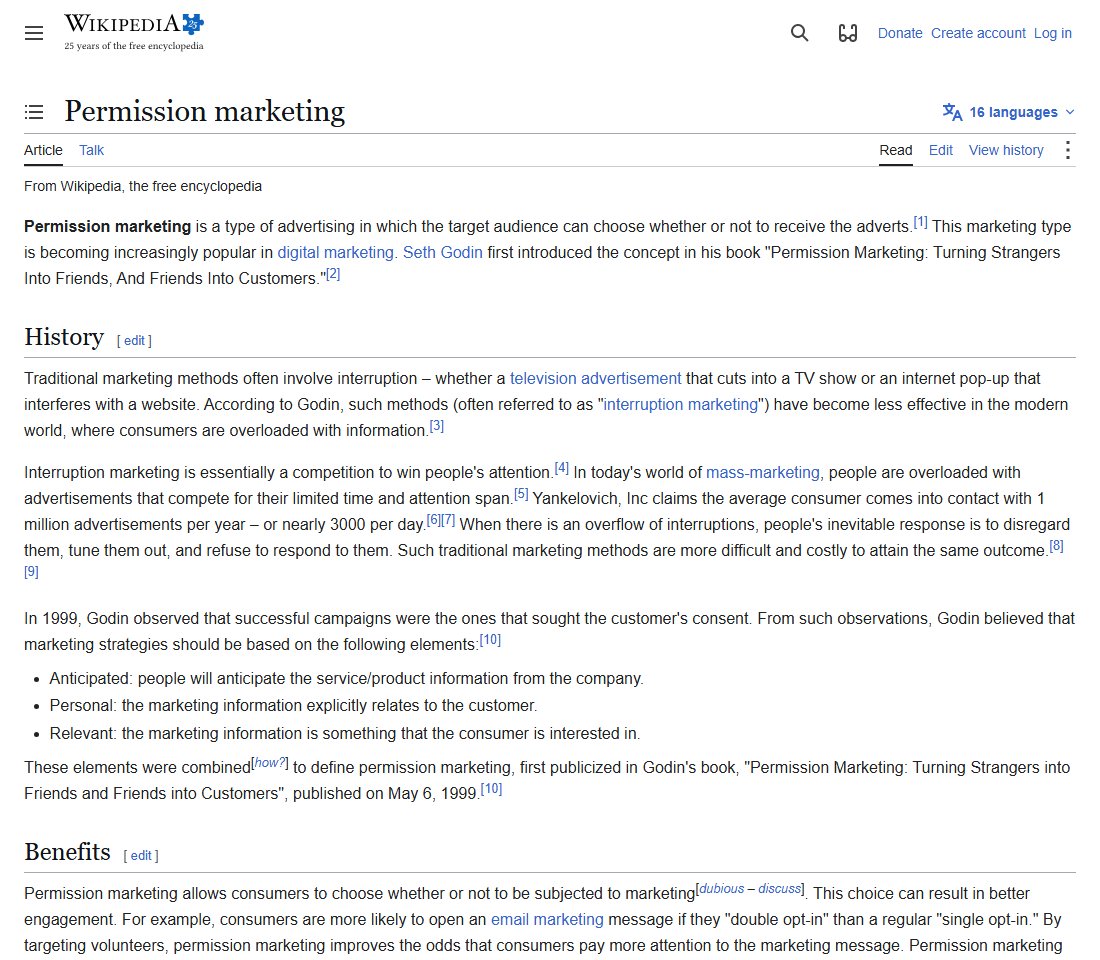
The writer Seth Godin made this idea famous.[3] He called it permission marketing: marketing that people choose to receive.[3] He said it should be anticipated, personal and relevant.[3]
In plain words, that means three things.
- Anticipated: people expect it, and look out for it.
- Personal: it feels as if it was made for them.
- Relevant: it is about something they care about.
Say what the trade is when people sign up. Yahoo asks senders to tell new subscribers what mail to expect, how often, and how it will look.[4] We cover how to choose that rhythm in Choosing a frequency you can keep.
Friendly mail is still marketing
A warm, helpful letter can still count as marketing in law. In the US, the rules cover email that promotes a product or service. That includes email that points to content on a business website.[5] Mail sent to other businesses is covered too.[5]
So plan for consent and an unsubscribe link from the first issue. Our pieces on building a list with consent and unsubscribes and the law explain both.
What to do next
Write your one-line purpose. Then write one sentence about your reader. Then list three things a reader gets from each issue.
Keep that page somewhere you will see it. When an idea doesn't fit, it waits for another day. Next, read Choosing a frequency you can keep.
Sources
- Email marketing, Wikipedia (accessed 2026-10-18)
- Permission marketing, Wikipedia (accessed 2026-10-18)
- Sender Best Practices, Yahoo (accessed 2026-10-18)
- CAN-SPAM Act: A Compliance Guide for Business, US Federal Trade Commission (accessed 2026-10-18)